


Eczema Gut Health Case Study: Supporting Skin Health from the Inside Out

Updated: Sep 23
Eczema, also known as atopic dermatitis, is often treated as a skin problem. Creams, steroids, avoiding irritants. Yet for many people, especially adults, eczema keeps flaring no matter what they put on their skin.
In my clinic, I often see eczema alongside digestive symptoms, fatigue, hormone changes and a long history of “trying everything”. This case study shares how we approached eczema gut health by looking inside the body, not just at the skin.
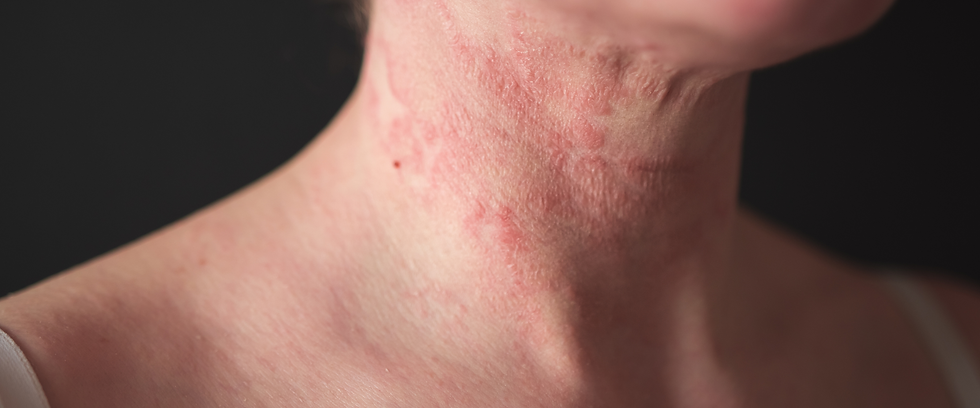
What is eczema?
Eczema is a chronic inflammatory skin condition that tends to flare and settle in cycles. It often runs in families and is linked with other allergic conditions such as asthma or hay fever.
The skin barrier is usually compromised, meaning the skin struggles to retain moisture and protect itself from irritants, microbes and allergens.
Common eczema symptoms include:
Dry, itchy, inflamed skin
Redness and irritation
Weeping or crusting patches
Thickened or leathery skin over time
Changes in skin colour
Broken skin from scratching
In adults, eczema commonly appears in the folds of the elbows and knees, on the hands, neck or face.
Case study: Emily
When Emily first came to see me, her eczema had been flaring on and off for years. It had recently worsened, spreading across her arms and neck, leaving her skin sore, itchy and inflamed.
She’d been prescribed multiple steroid creams, which helped short term but never stopped the flare-ups returning. Alongside her eczema, she experienced bloating, irregular bowels, fatigue and poor sleep.
Her biggest frustration was feeling like she was constantly reacting to food, stress or life in general, without understanding why.
Her goals were simple:
Calmer, less reactive skin
Fewer flare-ups and less itching
More energy
Feeling in control rather than firefighting symptoms
Why eczema gut health matters
From a functional nutrition perspective, eczema gut health is an area I always explore. The gut and skin are closely connected through the immune system.
Eczema may be influenced by:
Gut dysbiosis, an imbalance in gut bacteria
Increased gut permeability, sometimes called leaky gut
Food sensitivities or intolerances
Histamine intolerance or mast cell activation
Nutrient deficiencies such as zinc, omega-3 fats or vitamin D
Stress and nervous system overload
This doesn’t mean eczema is “caused” by one thing, but that multiple systems may be contributing.
What the GP approach often looks like
Many clients tell me their GP support has focused on managing symptoms rather than exploring drivers. This often includes:
Steroid creams or emollients
Antihistamines
Advice to avoid triggers
For some people, this is enough. For others, symptoms return as soon as treatment stops, which is usually when they start looking for answers elsewhere.
My step-by-step approach with Emily
Rather than guessing, we focused on understanding what was happening beneath the surface.
1. Supporting digestion first
We worked on regular meals with adequate protein, healthy fats and fibre to support blood sugar balance and digestion.
2. Reducing inflammatory load
Without restriction, we simplified her diet and temporarily removed foods most likely to aggravate inflammation while nourishing the gut lining.
3. Addressing eczema gut health
We introduced gut-supportive foods and targeted supplements to help restore balance and support the immune response.
4. Stool testing
We arranged a stool test to identify microbial imbalances and digestive markers. This removed the guesswork and allowed us to personalise her plan.
5. Lifestyle support
Stress, sleep and nervous system regulation were part of the picture. We focused on realistic changes that fitted around work and family life.
The results
Over 12 weeks, Emily's skin became calmer and less reactive. Flare-ups reduced in both frequency and intensity, itching eased, and her digestion improved alongside her energy levels.
Most importantly, she felt she finally understood her body and how to support it, rather than constantly reacting to symptoms.
A simple skin-supportive recipe
Warming Lentil & Vegetable Soup

This is one of my go-to light meals when skin or digestion needs extra support.
Ingredients:
Olive oil
Onion and garlic
Celery
Green lentils
Carrots, courgette and spinach
Vegetable stock
Turmeric and ginger
Method: Gently cook onion and garlic, add vegetables and lentils, cover with stock and simmer until soft. Blend if desired and season to taste. Simple, nourishing and easy to digest.
Final thoughts
Eczema is rarely just about the skin. For many adults, it’s a sign the body is asking for deeper support.
If you’re dealing with ongoing eczema, digestive symptoms or fatigue, and feel stuck in a cycle of flare-ups, there is another way forward. With personalised nutrition, functional testing where appropriate, and consistent support, real change is possible.
If this story feels familiar, you’re welcome to book a free chat below to talk through what’s going on for you and whether working together feels like the right next step. Transform your health starts from the inside out.

I am Lisa Claire Dack, a registered Nutritional Therapist, Gut Health Nutritionist and Accredited Reflux Practitioner specialising in gut health, IBS and reflux. I work one-to-one with people who have been struggling with symptoms like bloating, digestive issues, reflux and the fatigue that often comes with them, and who are ready to understand what is actually driving them.
My approach looks at the whole picture, not managing symptoms in isolation, but understanding the root causes and building a personalised plan around your life.
If you are ready to feel like yourself again, I would love to hear from you. You are welcome to book a free 20-minute discovery call and we can talk through where you are and whether I can help.


Comments